about
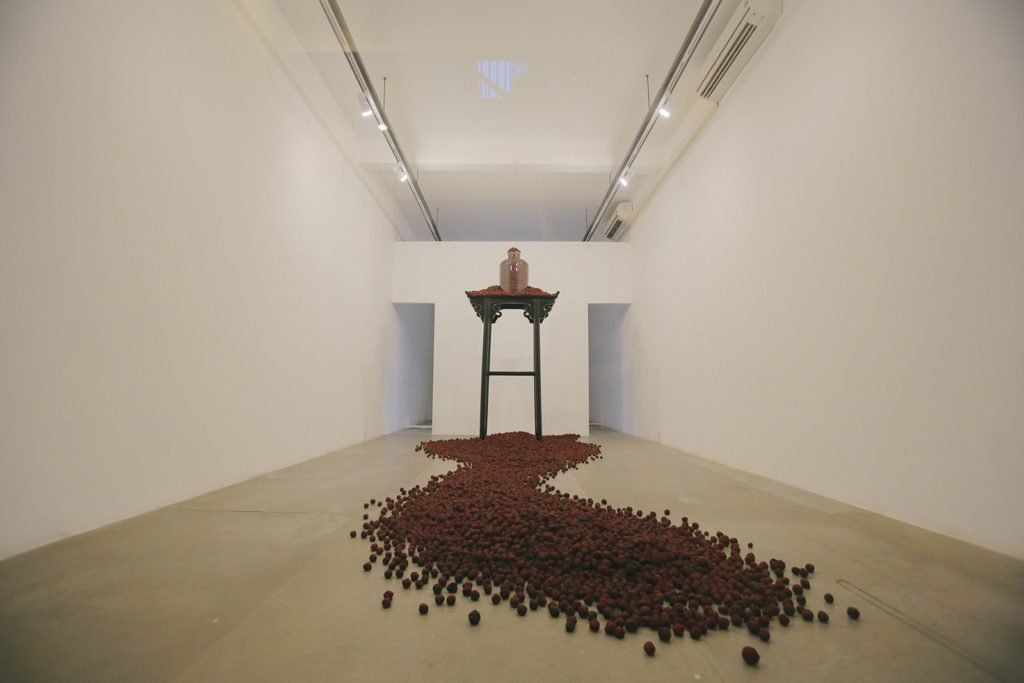
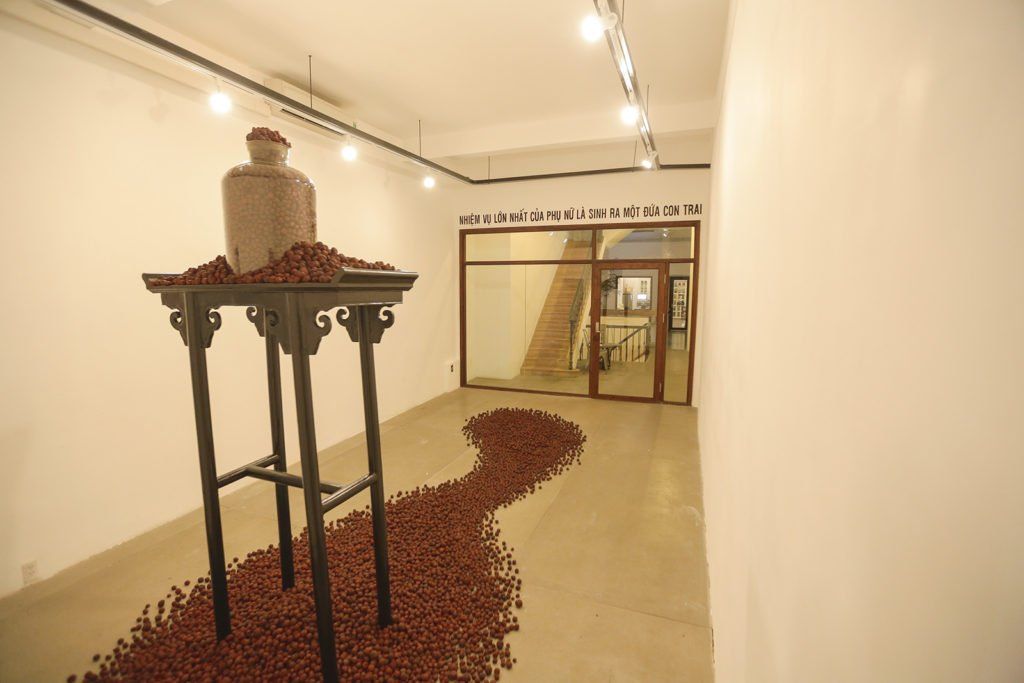
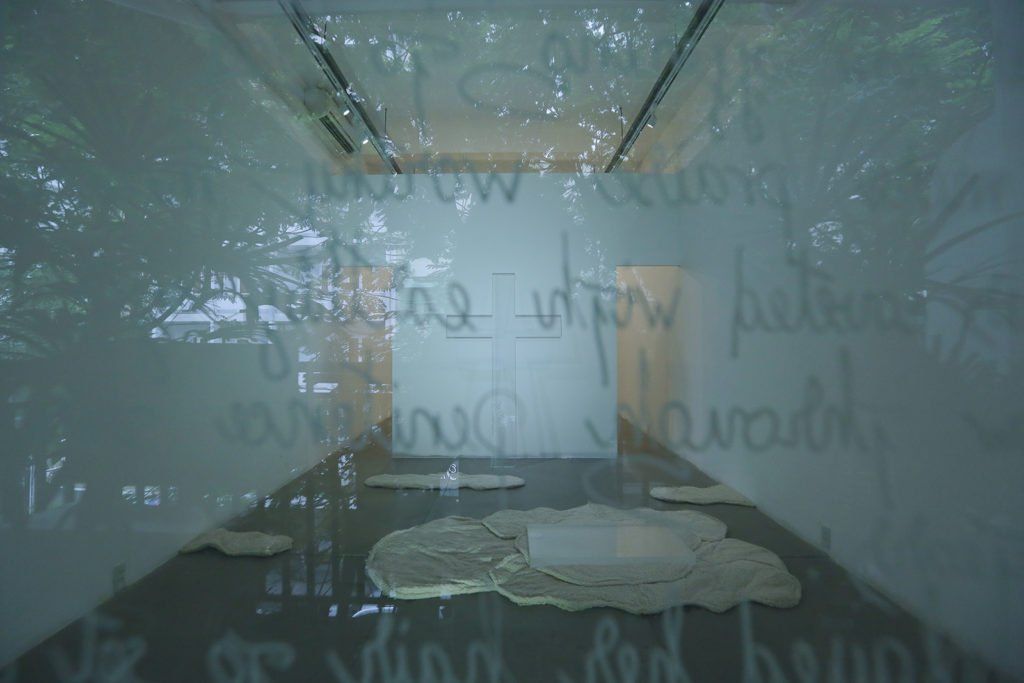
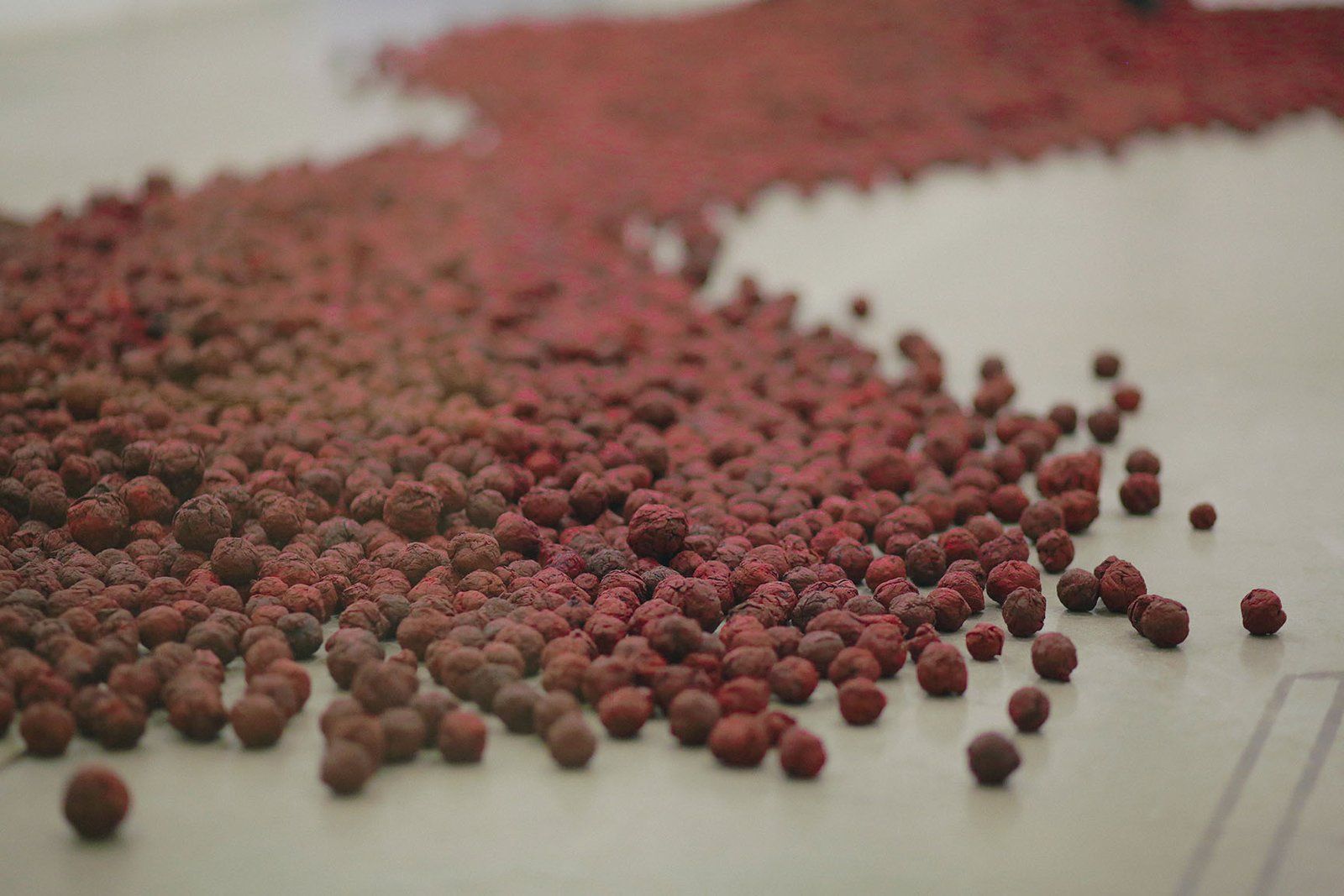
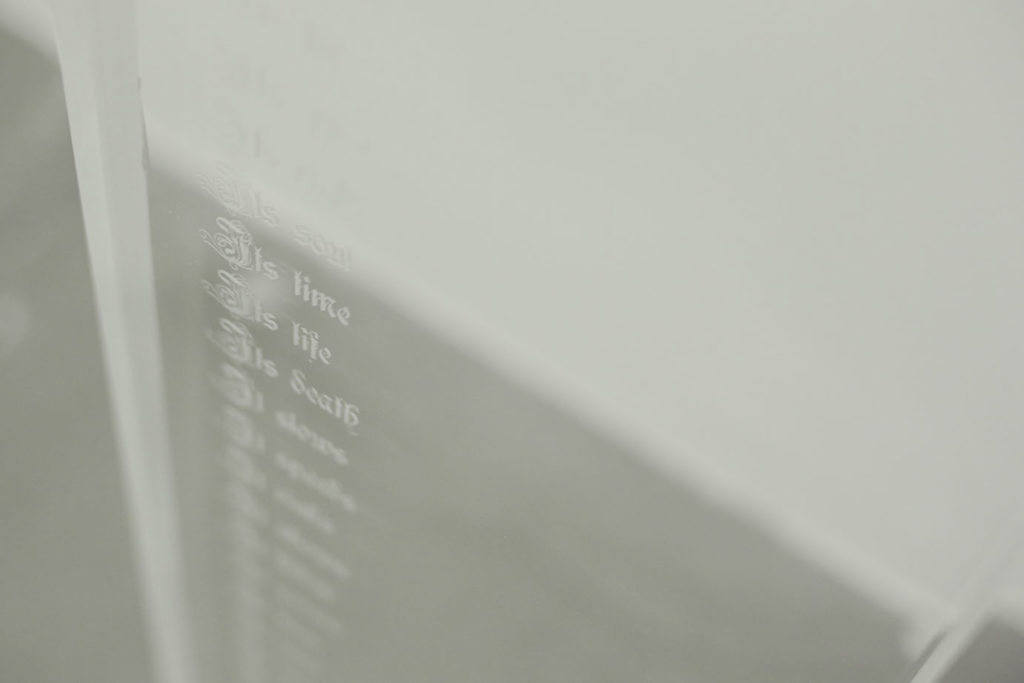
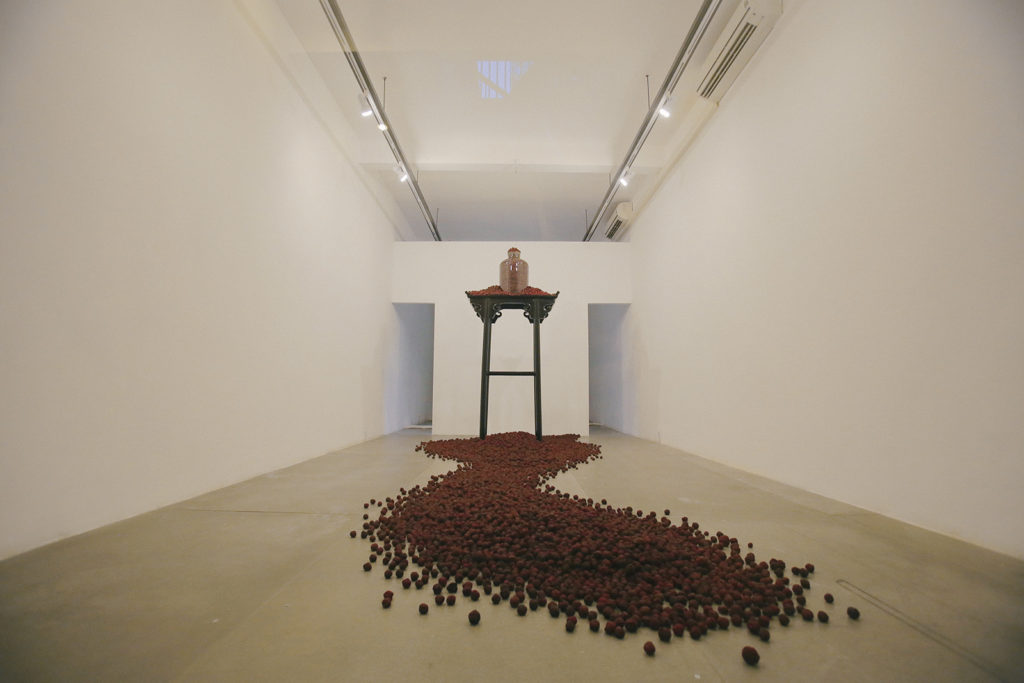
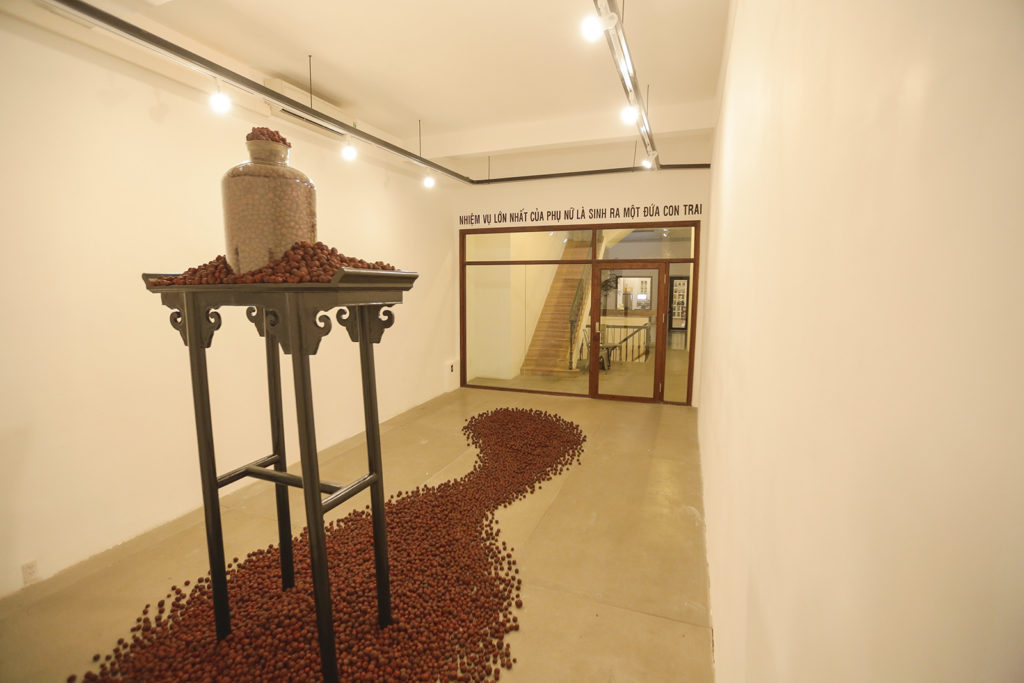
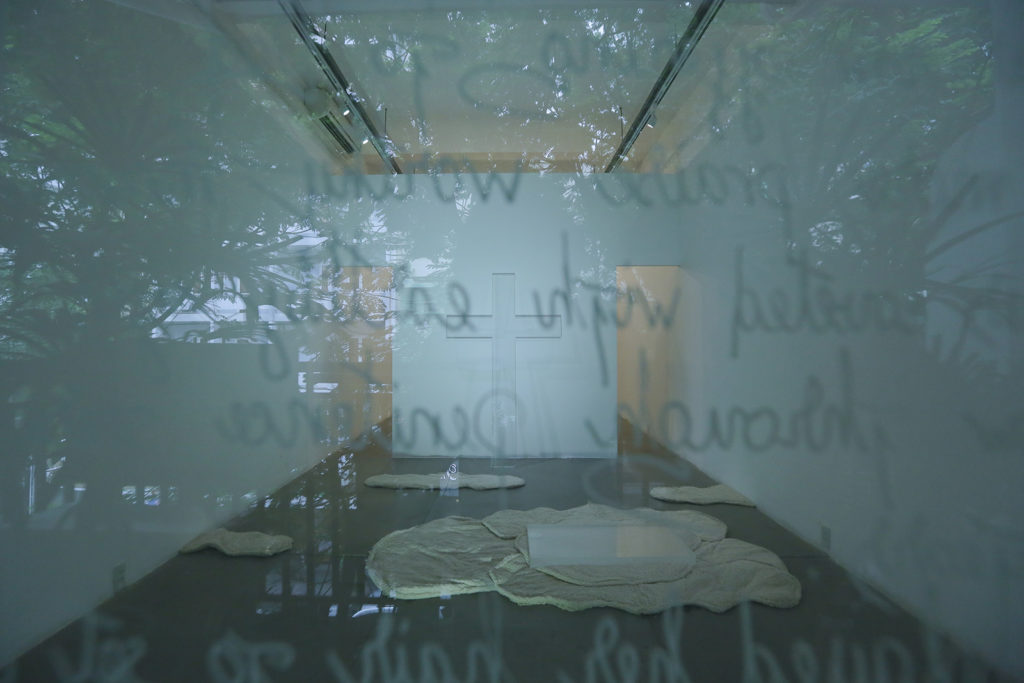
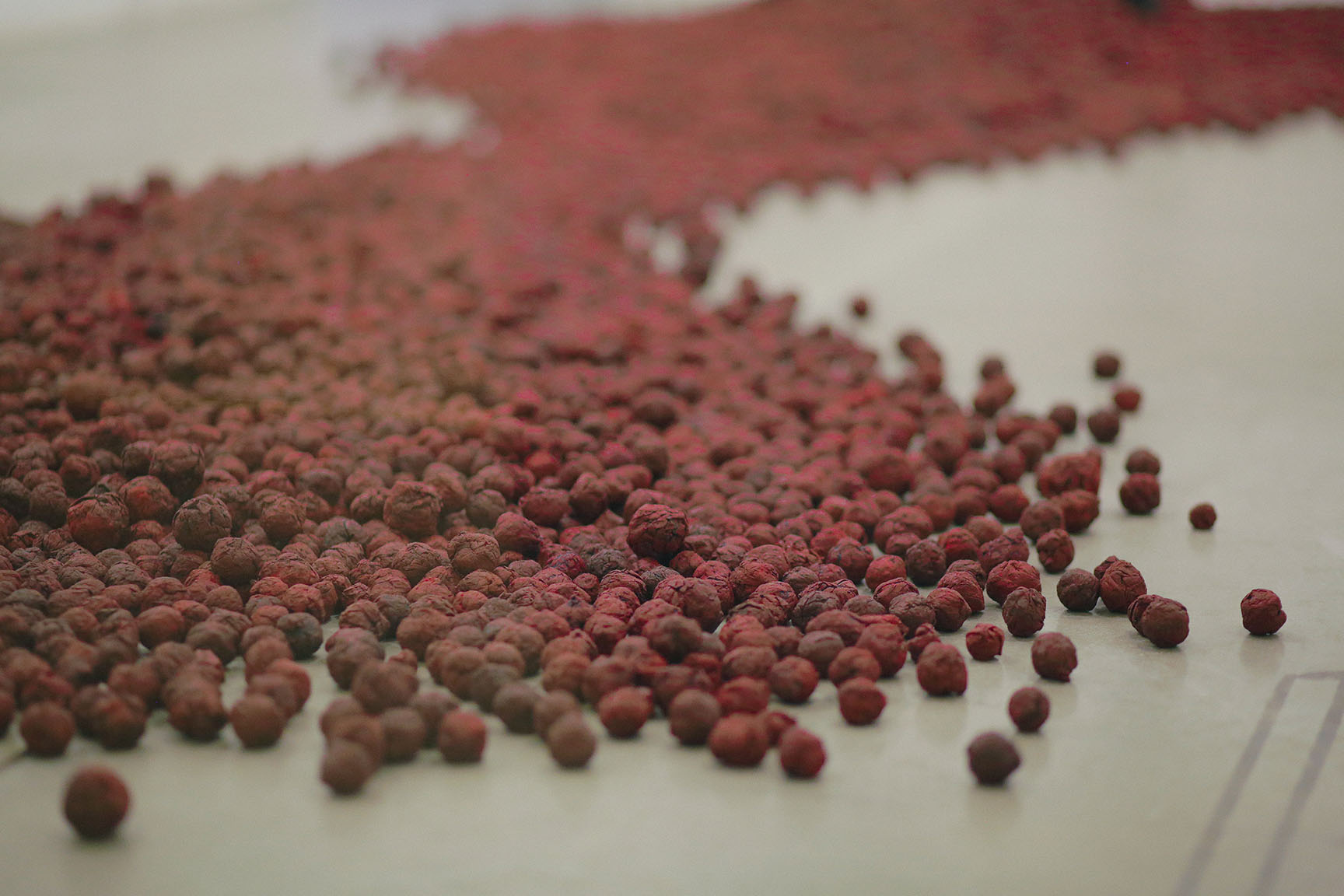
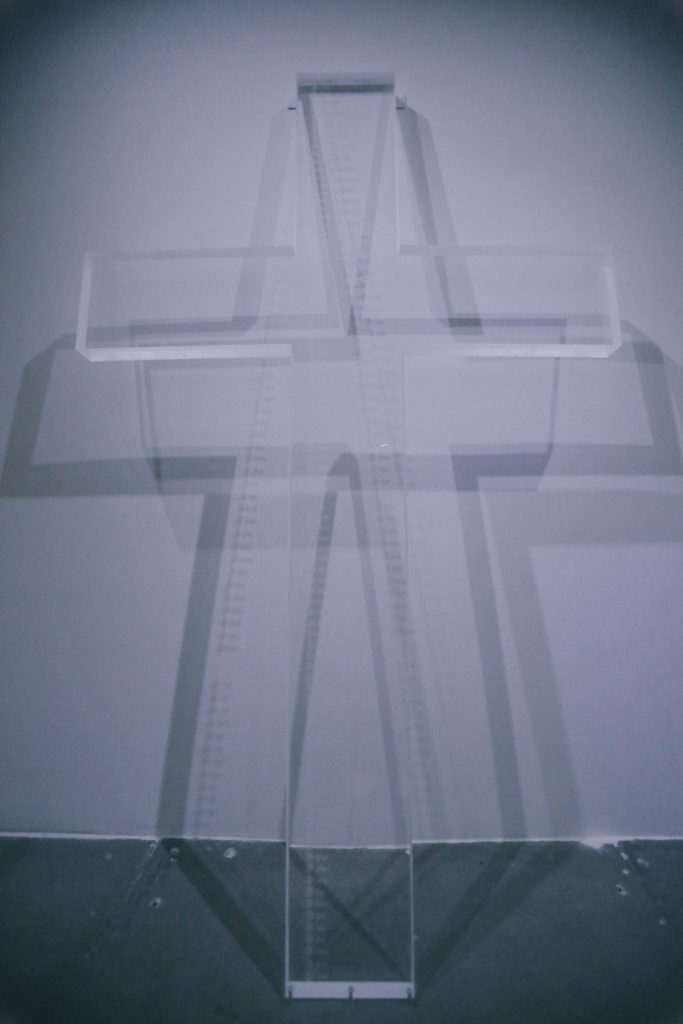
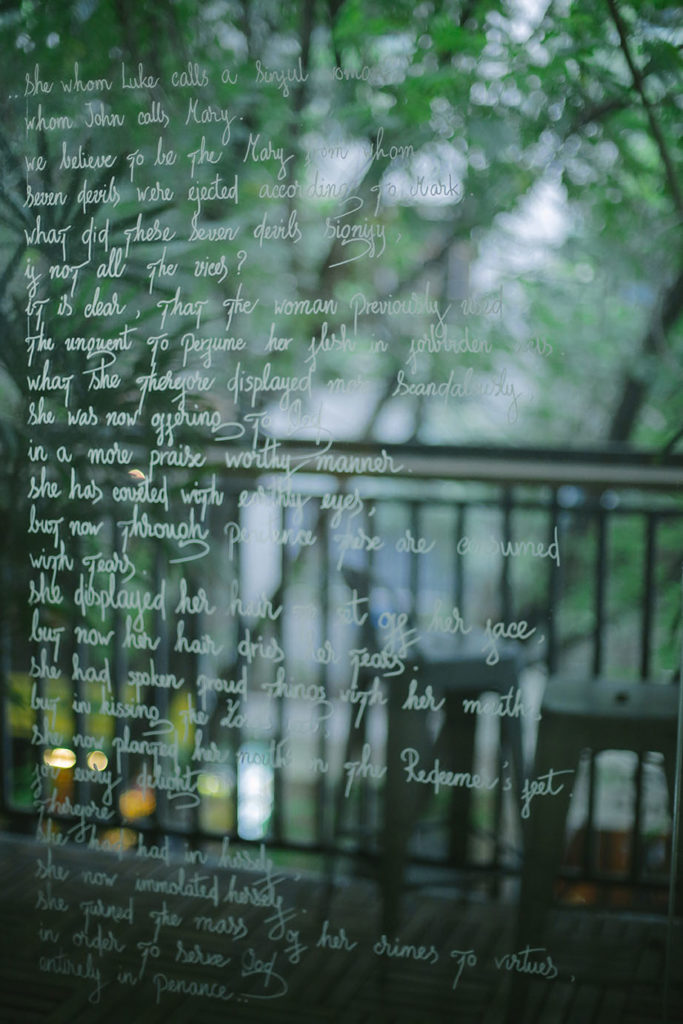
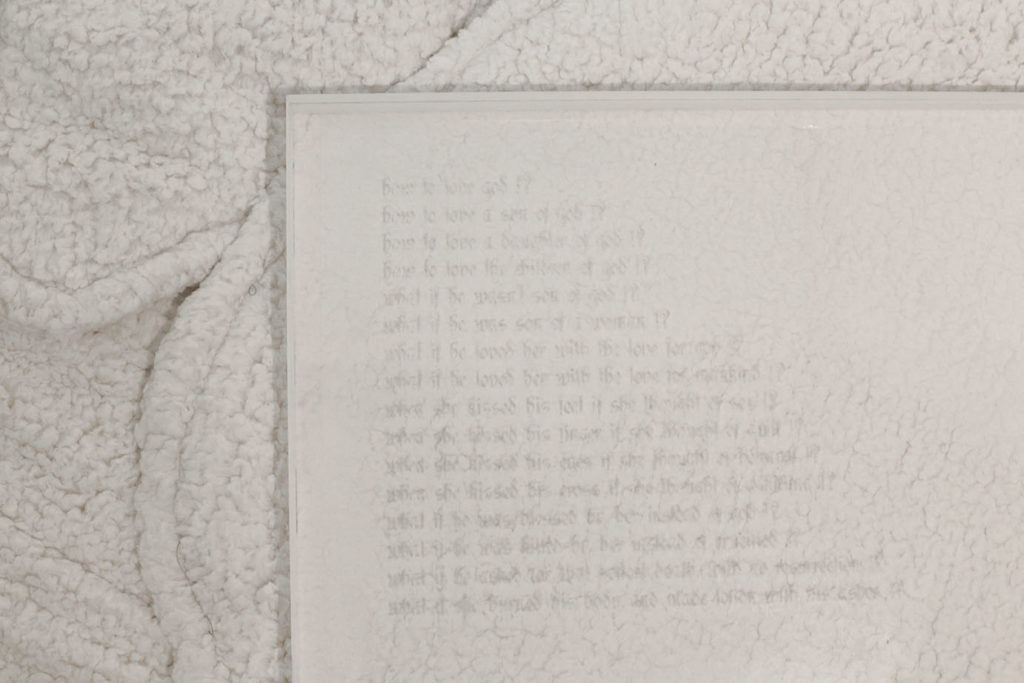
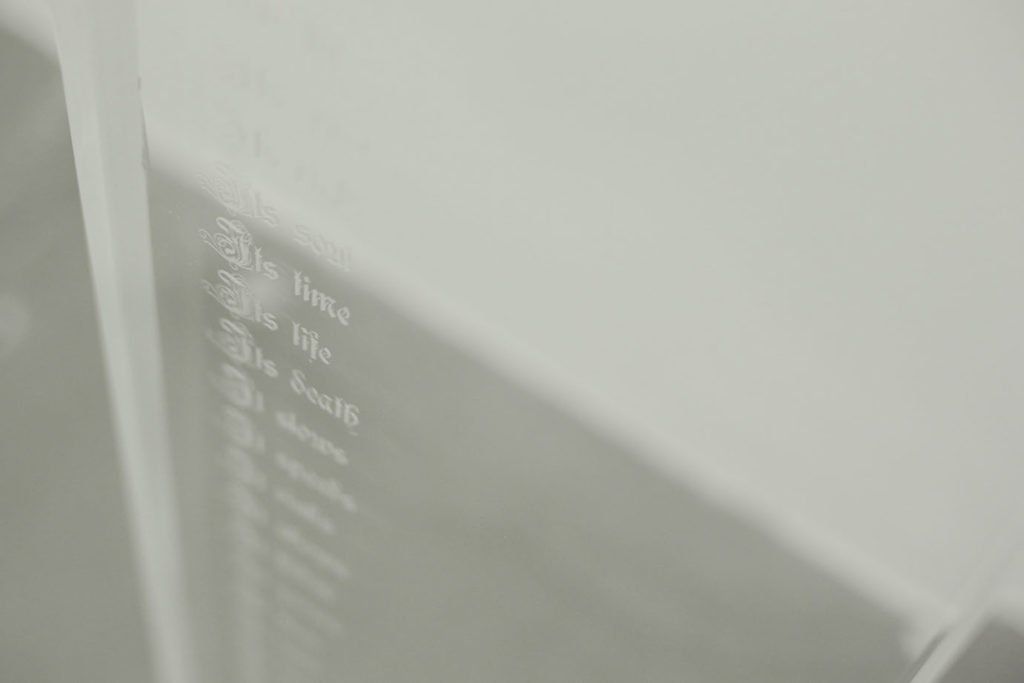
Le Hien Minh and Cam Xanh’s duo installation take place in two neighboring rooms, each of which presents a different altar. Cam Xanh constructs a scene with a lone cross and Hien Minh, a Northern Vietnamese altar. No recognizable saints, ancestors or incense is in sight. The two artists’ attitude towards the conventional fixtures of worship departs from veneration and slides towards playfulness. Hien Minh’s “balls” (or “hạt” in Vietnamese, the title of her work) are made from Vietnamese traditional Dó paper, which she crumples into shriveled little spheres. Dyed with pigment, these seemingly innocuous pickled-plum- like balls evoke a wrinkled and stale image of masculine pride. Hien Minh’s ball-filled jar parodies the “rượu thuốc” (medicinal liquor) jar commonly found in many Vietnamese males’ living room. Liquor made with animal parts like cobra heads or tiger testicles is traditionally believed to be a powerful organic Viagra for men. Though made by distilling dead beings, a method considered ghastly by some, medicinal liquor is highly regarded as an effective supplement of masculinity. Hien Minh looks at the eerie implication of masculinity, and her work explores what vanity and virility might look like to an observer of the patriarchy in Vietnam. The sheer number of hand-sculpted balls (numbering over 20,000) creates a scene of overwhelming abundance and power. Beyond gender, viewers are invited to meditate on the private process of the artistic maker and the astonishing amount of labor and time behind each work of art. In the room next door, Cam Xanh unsettles Christian history by playing with form and language in her installation Tim (the Vietnamese word for ‘heart’). Her objects are minimalist – a human-sized cross and a prayer table, both made of plexiglass. There is no bible. The only texts to be seen are poems ethereally suspended between the layers of plexiglass along the cross and table surface. The rhythmic quality of Cam Xanh’s poetry, together with cloud-like patches of sheepskin scattered across the floor, fill the godless room with strange comfort. But in other ways, her plexiglass chapel remains inscrutable. Lines from her poem describe a fictional ending of the love story between the Son of God and Mary Magdalene (or the woman from Magdala in old Palestinian). The love affair which is not discussed in the Gospels has now been highlighted as the main act. In this reinvented "Last Temptation of Christ" episode, the artist switches the roles of the martyr and the disciple, envisioning a new religion in which love is disseminated in the form of stem-cells. These two artists’ altars are atypical as they are not about reverence but liberation from the revered. Cam Xanh fabricates bold fictions on the identity of the martyred, while Hien Minh makes a canny altar for (or against) mythical heritage and virility. By re-examining and reinventing religious objects such as the acrylic glass cross or the altar brimming with paper balls, the artists pose unnerving questions about who and what has been idolized and venerated throughout history. Their altars both insinuate and destabilize the ideologies behind human devotion. A Review by Quyen Nguyen More articles: http://artasiapacific.com/Magazine/WebExclusives/HatTim
Location: 103 Dong Khoi, District 1, Ho Chi Minh City
documentation