date
11 January 2016
closed
location
hồ chí minh
program
+1 contemporary project
about
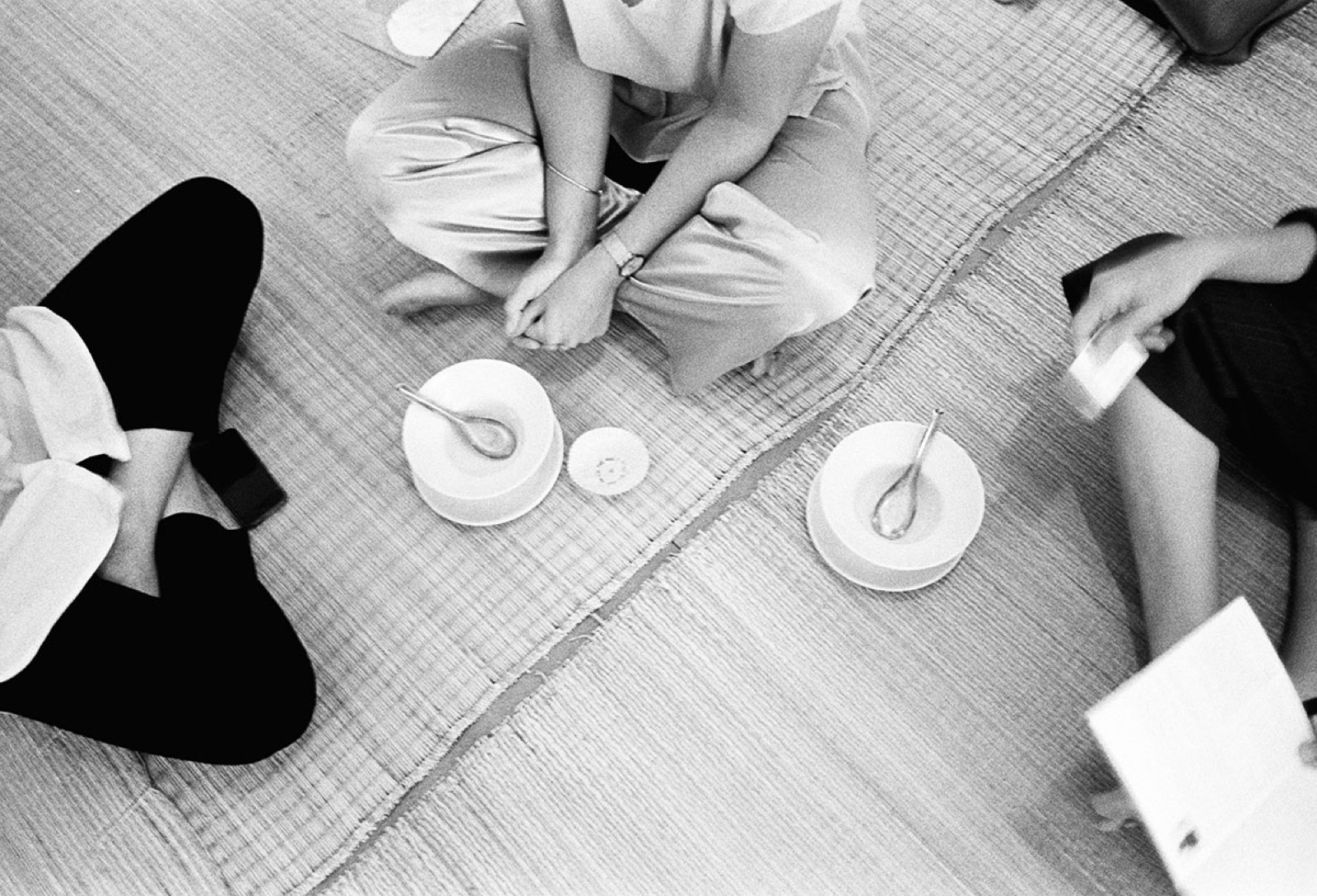
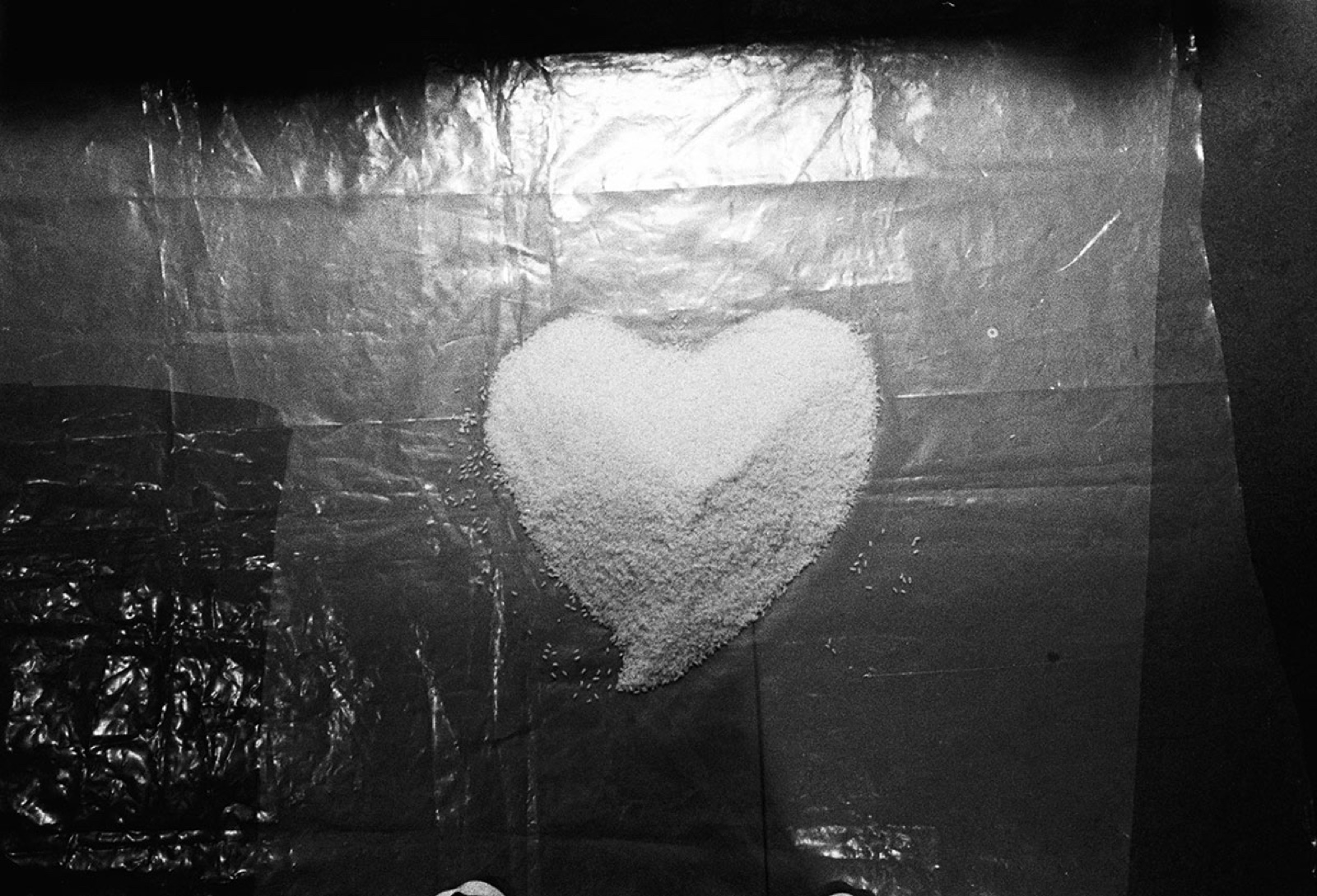
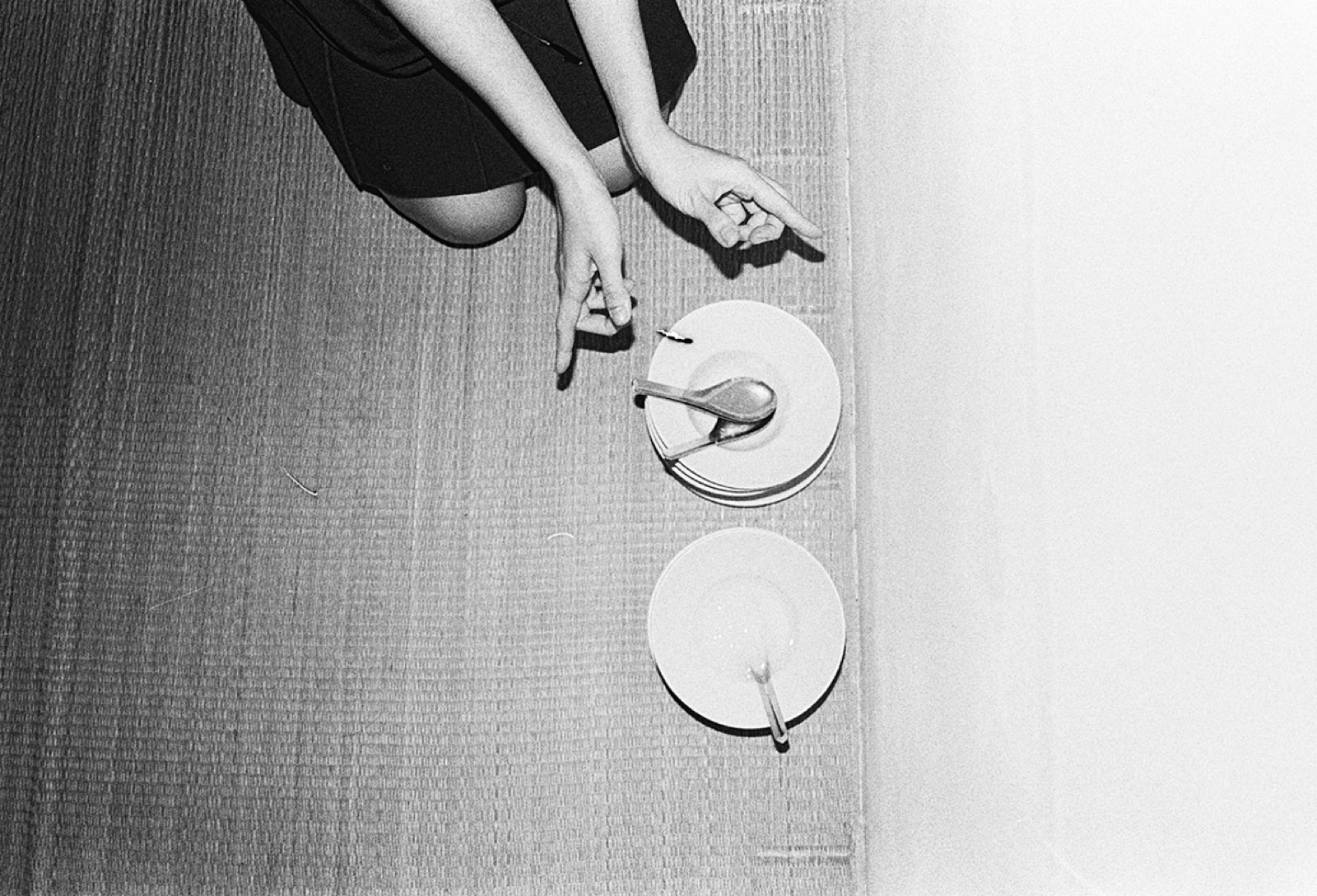
ChaoArt|ArtChao Cam Xanh January 11 – 17, 2016 Lunch & Dinner at DiaProjects Dong Khoi Cháo/Art is an intriguing event created by Cam Xanh. The gathering unfolds in a magical space where a group of artists (including Cam Xanh herself along with fellow artists, writers and curators) cook and serve plain cháo, the most basic type of Vietnamese rice porridge, to customers, guests of honours, tourists, neighbours, voyeurs, vagabonds, as well as those unable to pay at all. As the happening’s pièce de résistance, the simple cháo fulfils a two-fold mission: to detoxify as well as fortify the participants’ body and mind. In recent years, as the Vietnamese middle- and upper- class get exposed to a proliferation of fast food chains and high-end culinary imports, many have seen their health deteriorate due to indiscriminate overindulgence. In response, the new fad for health-conscious consumers is to follow “detox” diet formulas to eliminate intoxicants and recharge the body. This shift away from junk food and exorbitant eateries results in a return to elementary dishes such as cháo. A light bowl of rice porridge, once perceived as food merely for the poor, sick, elderly or infantile, is now back in vogue. Cam Xanh not only capitalizes on this new surge of public interest in “detox” diets but notices another function of cháo in Vietnamese society: its healing power. Cháo has always been the go-to nourishment for the impoverished during extreme famines as well as the ill or injured during recovery periods. Often served in familial or communal settings, cháo strengthens the body and reinvigorates the spirit despite its unadorned nature. Sociologically speaking, Cháo/Art might well be an disarming tale about artists and the poor in Vietnam surviving on the most basic food while the middle- and upper-class enjoy the freedom to purchase the same food for detoxifying and rejuvenating purposes (or companionship, or entertainment, or an opportunity to see and be seen – all possible motives for visitors to enter the Cháo/Art space). On the other hand, we are not obliged to read Cam Xanh’s happening as a grand metaphor for class struggles or the state of the arts and humanities in a rapidly industrializing country. Imagine walking by an open space in which unlikely cooks calmly stir huge pots of boiling porridge and sit among piles of ceramic bowls, ready to serve hungry, curious and/or amused customers who might or might not pay, but are willing to help and play along. Cooks vs. customers, performers vs. spectators, and artists vs. patrons are boundaries that are blurred once we enter Cháo/Art. Normative assumptions are flipped: the main delicacy is simple and unfussy instead of ostentatious or classy; the patrons give on a pay-as-you-wish basis (think of Cháo/Art as a bizarre fundraising event with a surrealist bend); the artists make art not by furiously dripping paint on canvas, installing oversized sculpture or shocking the audience with post-modern performances. Instead, the artists take up a humbler yet more open role. They patiently make a minimal dish and invite us to sit down, give an awkward smile or knowing nod, look confused, lend a hand, leave a note, and cultivate a special energy by simply being in the same place, huddling over the same warm food and listening to each other. Whether you belong to the category of those saturated with means or the starving-artist type, come for some cháo/art, whichever feels necessary. by Quyen Nguyen
Location: 103 Dong Khoi, District 1, Ho Chi Minh City ChaoArt Planets “Energy can neither be created nor destroyed; rather, it transforms from one form to another” – law of conservation of energy Ethereal yet repulsive, Cam Xanh’s seven planets, filled with the leftover cháo rice porridge from her ChaoArt performance, are evocative of the primordial soup from which we likely came. Housed in a square, clear acrylic glass box, each discus-shaped planet bulges from its centre. Although made from the same basic ingredients: cháo and saliva dregs scooped from participants’ finished bowls, the composition within the Plexiglas frame is in constant flux as the soup’s components slowly separate and are jostled each time the works are moved. As a result, each planet appears unique and autonomous of the others. Heavier rice grains sink to the bottom, leaving textured remnants lingering on the transparent curved walls; water used to liquidate the soup hovers at roughly the midpoint of each planet, cutting the circle in half; and air fills the top, breathing life into the bubble. Whilst the basic simplicity of serving cháo soup may be questioning the notion of ‘fad diets’, club memberships and the way Vietnam’s nouveau riche choose to live their lives, it also provides a starting point and suggestion for a new way of living. In Cam Xanh’s metaphor for interstellar life, the happening of the ChaoArt performance becomes a supernova from which the seven planets have been ejected. A supernova, the explosion of a star, the largest explosion that can take place in space, is at once a death and a birth. In its collapse it bursts outwards, spilling itself into the universe, giving life to new stars and planets as it spreads its core contents. The formula for a supernova, like that of ChaoArt’s recipe, is always the same, yet despite this each result is different. Occurring in a specific space, at a single moment in time, both a supernova and ChaoArt are performances that create connections and ignite new possibilities. For Cam Xanh these possibilities arise when people come together and engage with one another, and her ChaoArt gatherings establish the conditions for new ideas to arise. It is almost radical, in an age of digital hyperconnectivity, to suggest a coming together where people take the time to simply exist with one another, and join in the life-sustaining act of sharing food. ChaoArt’s resulting planets are a symbol of all we know and all don’t. They hold what we understand to be the key necessities for life: air, water, bacteria and light—the simple power of these elements already demonstrated in their ability to grow mould within and crack their Plexiglas frames. Yet the sculptures are named after the Greco-Roman god and planet of the day they were created: Moon (Selene) for Monday, Sun (Helios) for Sunday. The names respond to an unknowable historic and metaphysical past. Essentially though the planets feel soft, despite their hard shell, and nurturing. They speak to us
about the fundamentals of life, and in doing so pose questions of how we choose to live it. by Maria Sowter
documentation